015,300 years ago
A story rooted in the Americas
Archaeological evidence from southeastern Ecuador traces cacao use back some 5,300 years. Chocolate’s story begins long before the familiar bar.

CHOCAVELA / The world of chocolate
A tropical fruit. An ancient ritual. A little everyday delight. Discover the extraordinary journey behind chocolate.
01 / A taste of history
Archaeological evidence from southeastern Ecuador traces cacao use back some 5,300 years. Chocolate’s story begins long before the familiar bar.
For the ancient Maya, cacao had ceremonial and social importance. Painted vessels show chocolate being poured from a height to create its prized foam.
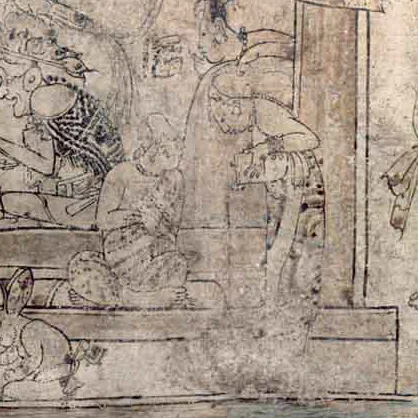
14th–early 16th centuries
For the Mexica, often called the Aztecs, cacao was far more than a flavour. It belonged to ceremonies, elite hospitality and trade. The beans themselves could be used as currency.
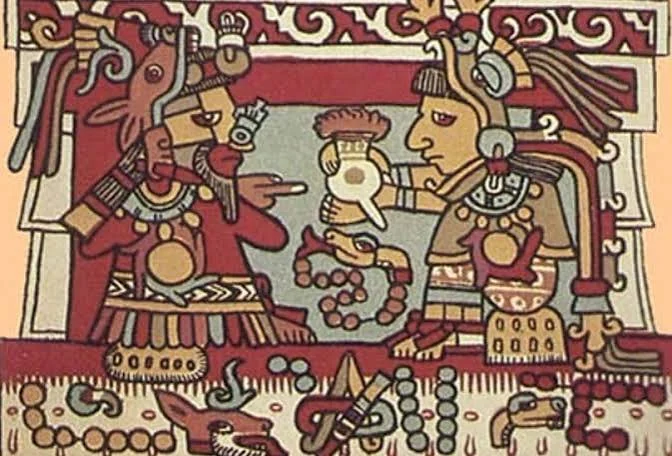
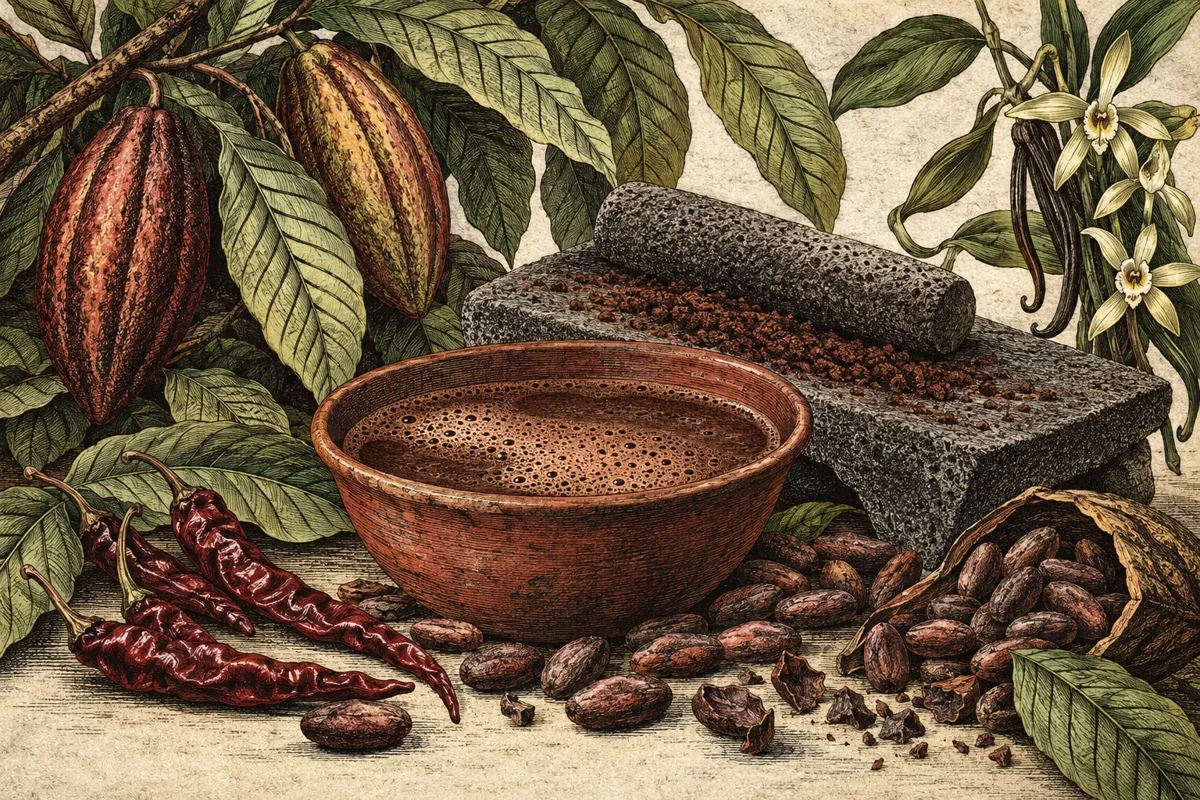
Ground cacao was mixed with water and could be flavoured with chilli, vanilla or other ingredients. Pouring the drink between vessels created its prized foam. Recipes varied across Mesoamerica—there was no single “original” chocolate drink.
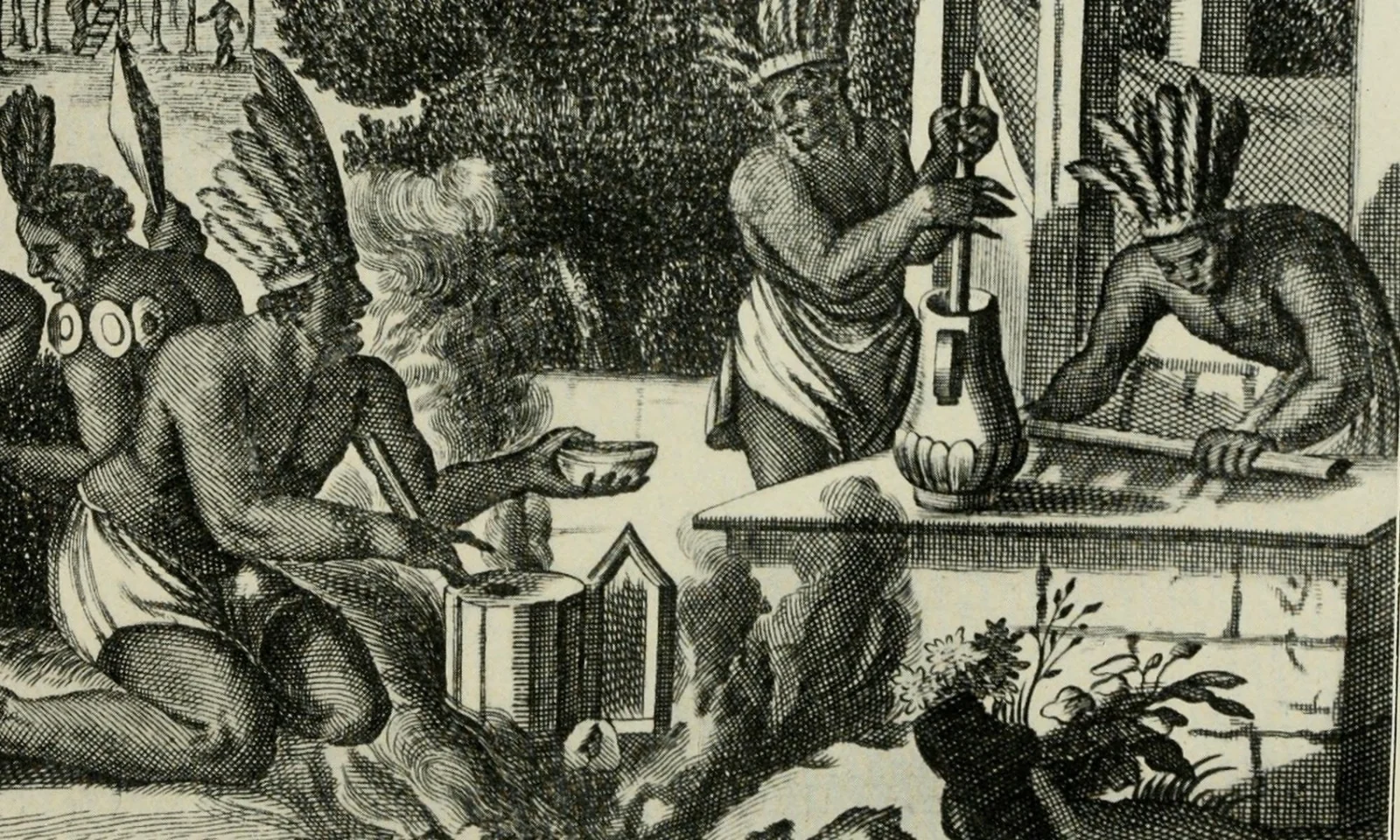
Chocolate reached Europe in the 16th century and became a fashionable drink among wealthy households. Cups, chocolate pots and artworks tell the story of this new fascination.
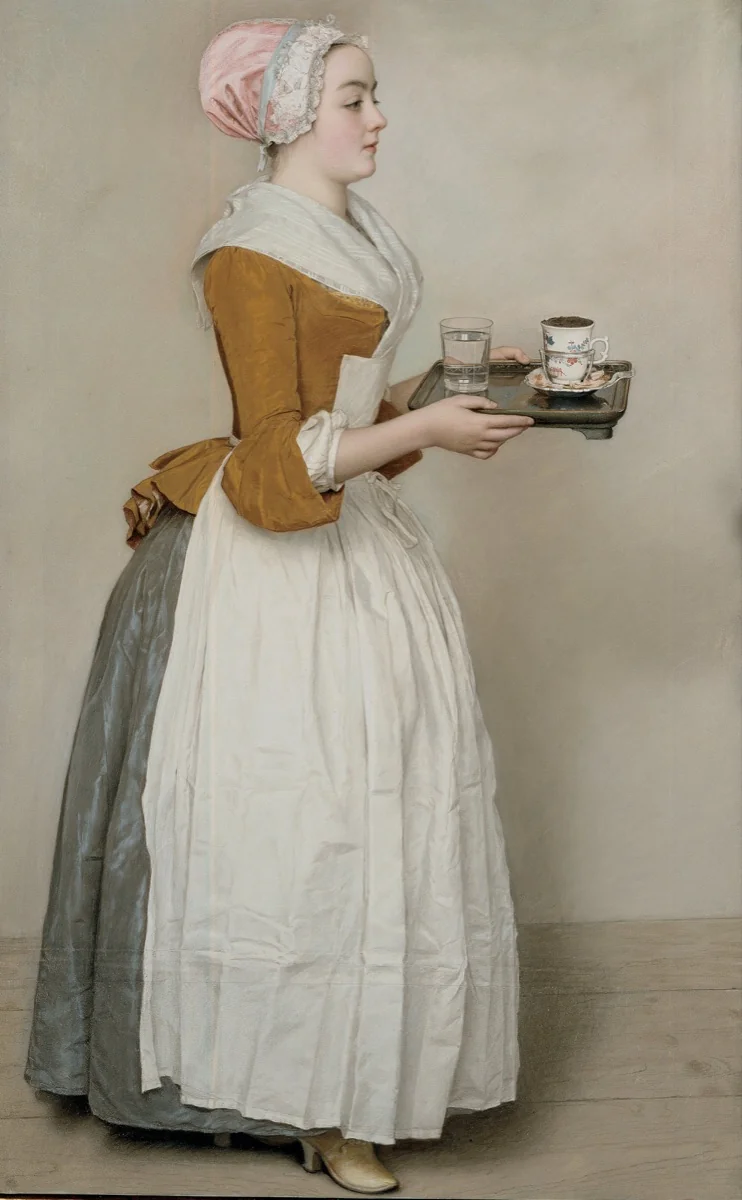
New presses and manufacturing methods helped transform chocolate into the solid treats we recognise today. Grinding and conching brought ever finer textures.
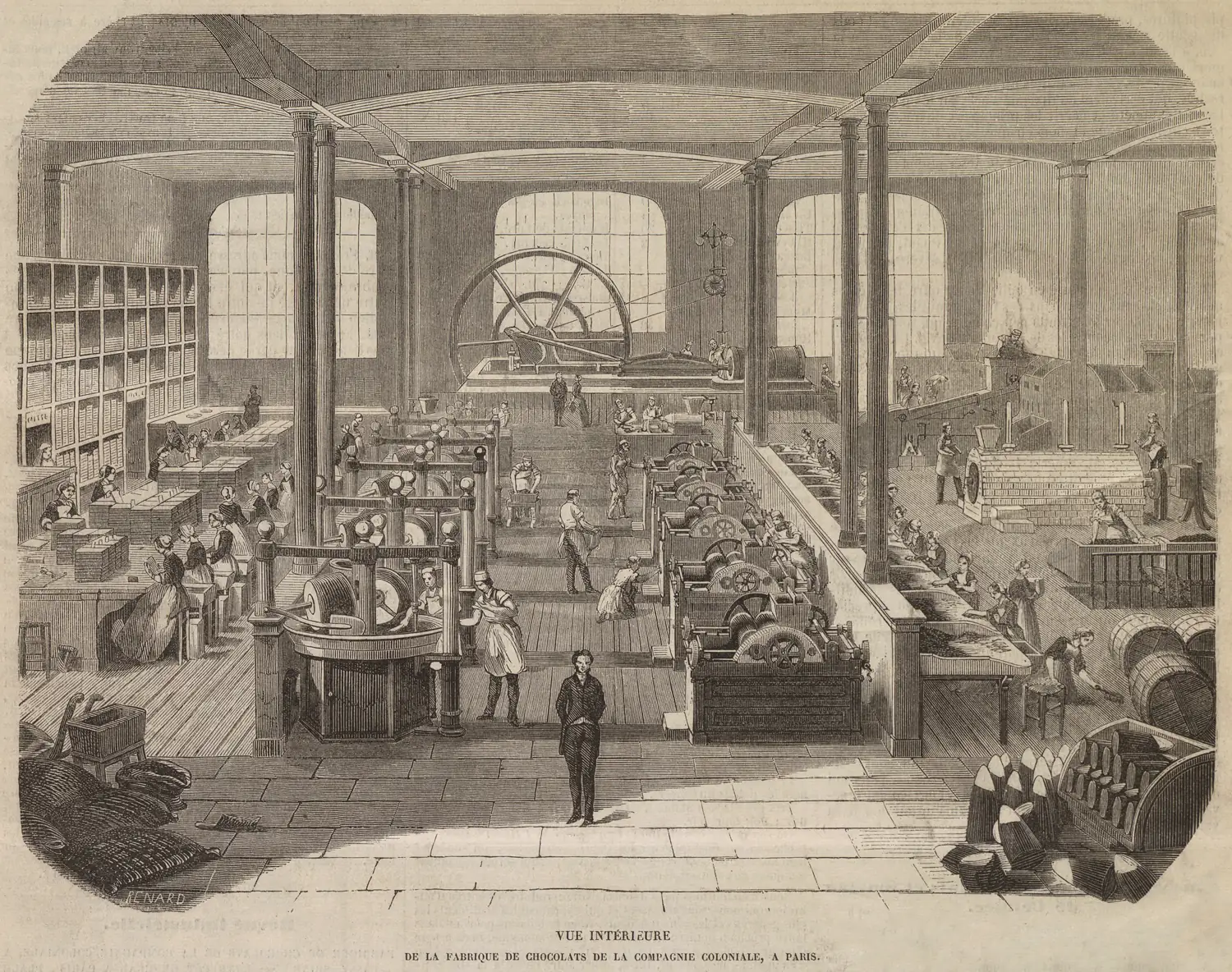
02 / From tree to chocolate
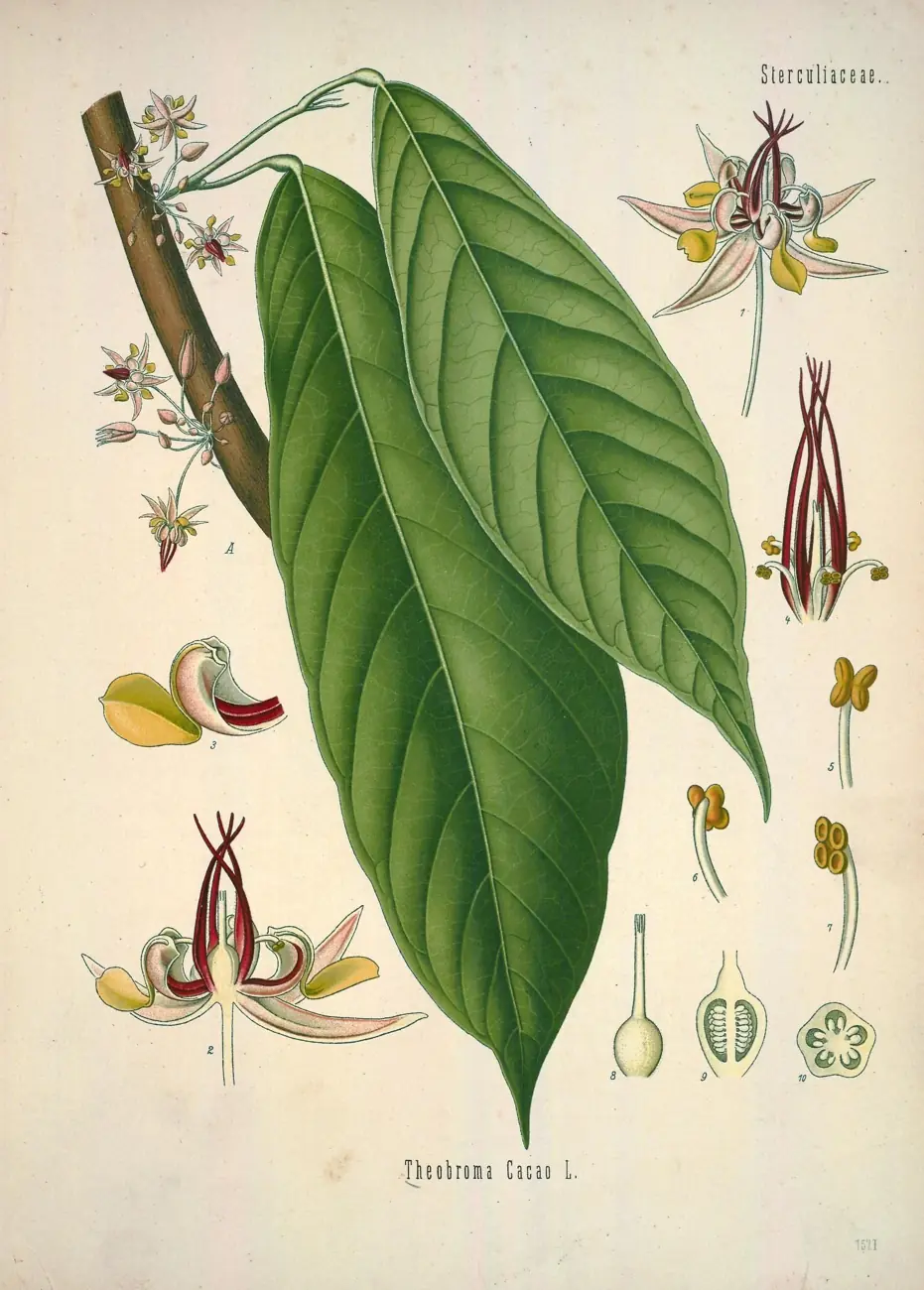
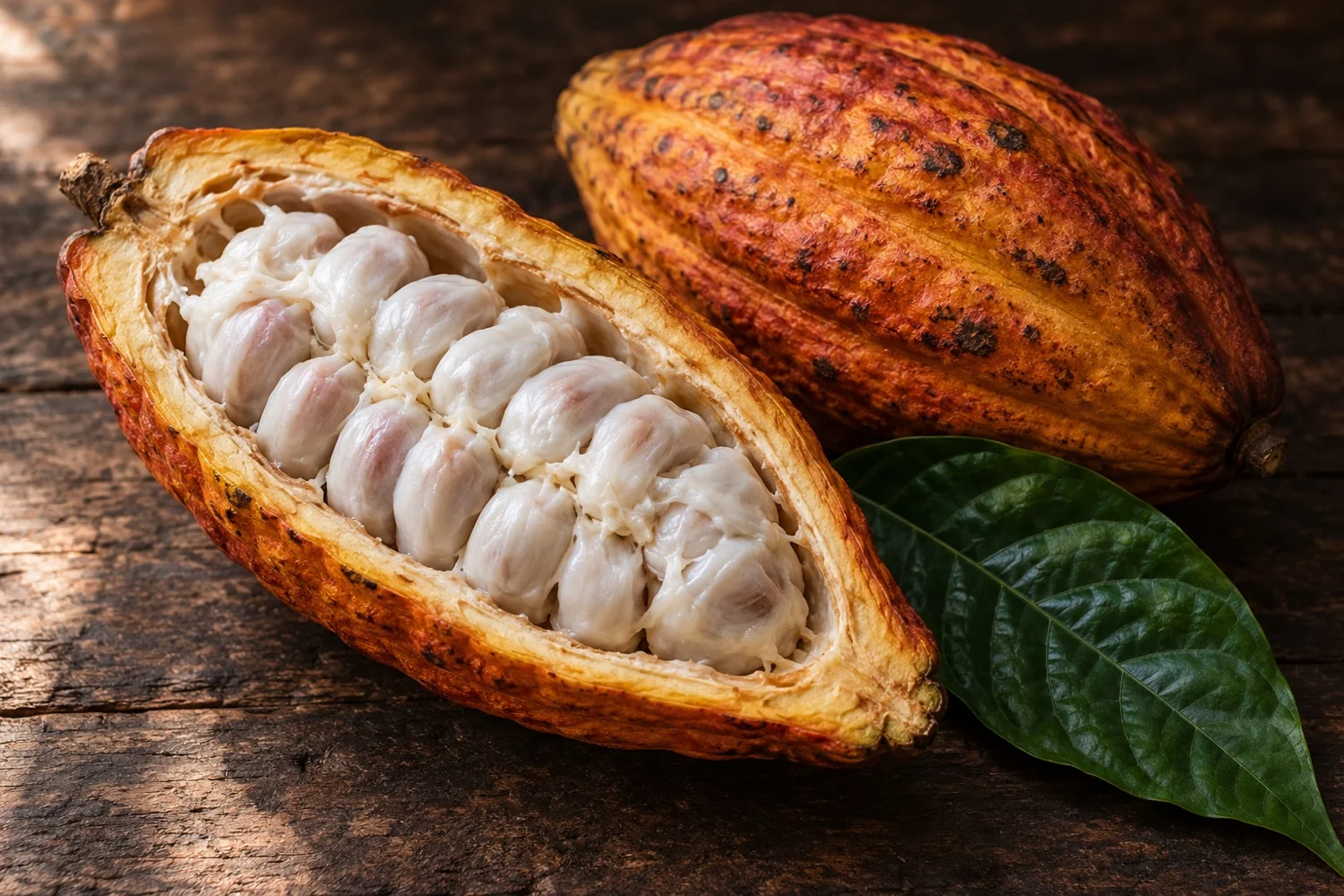
Theobroma cacao thrives in tropical warmth. Its flowers and colourful pods grow directly from the trunk and larger branches. Inside each pod, seeds nestle in sweet white pulp.
Theobroma cacao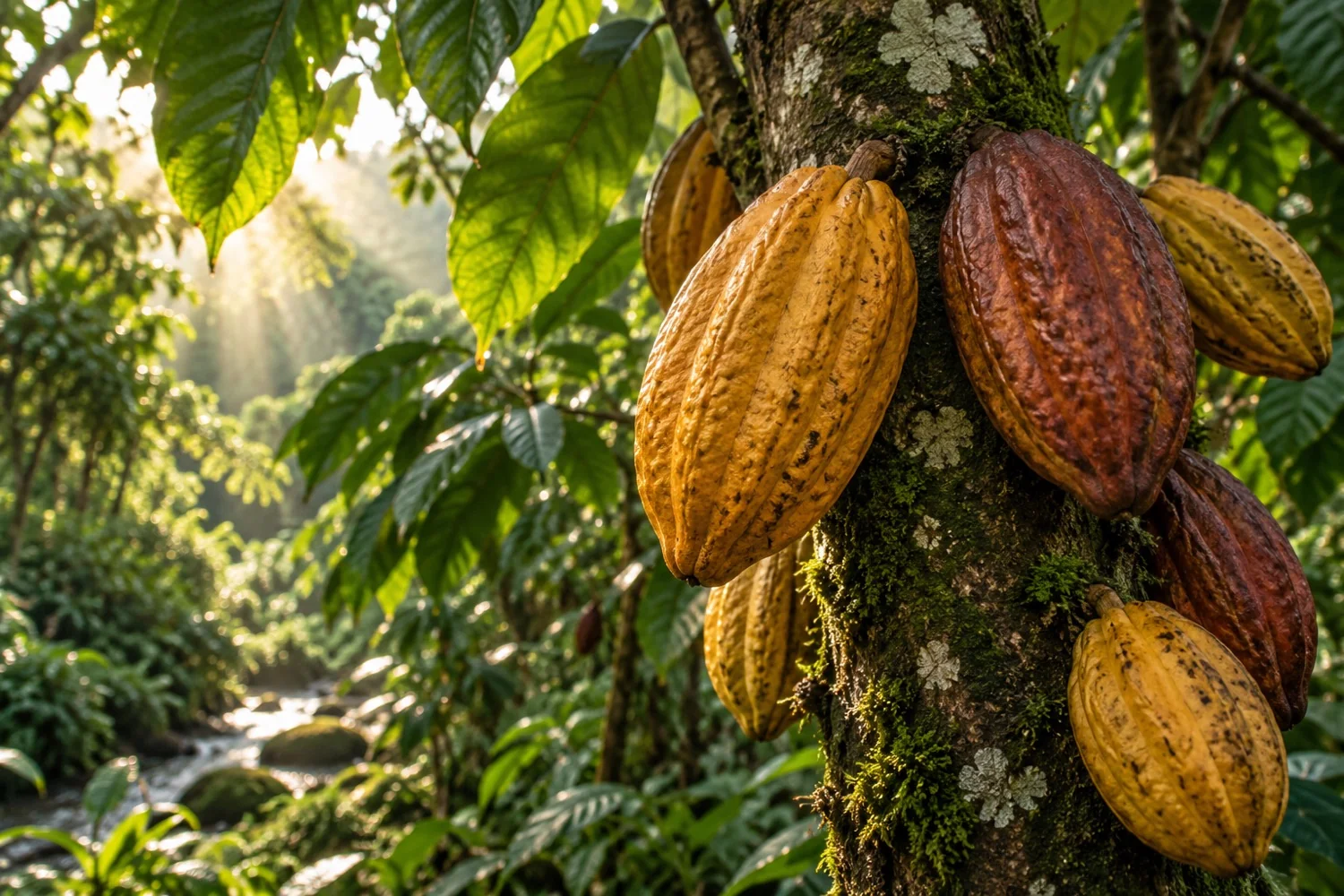
THEOBROMA CACAO / 02
Fresh cacao looks wonderfully unexpected. The white pulp surrounds the seeds we call cocoa beans. The familiar chocolate flavour develops through the steps that follow.
Ripe pods are cut from the tree and opened to release the pulp-covered seeds.
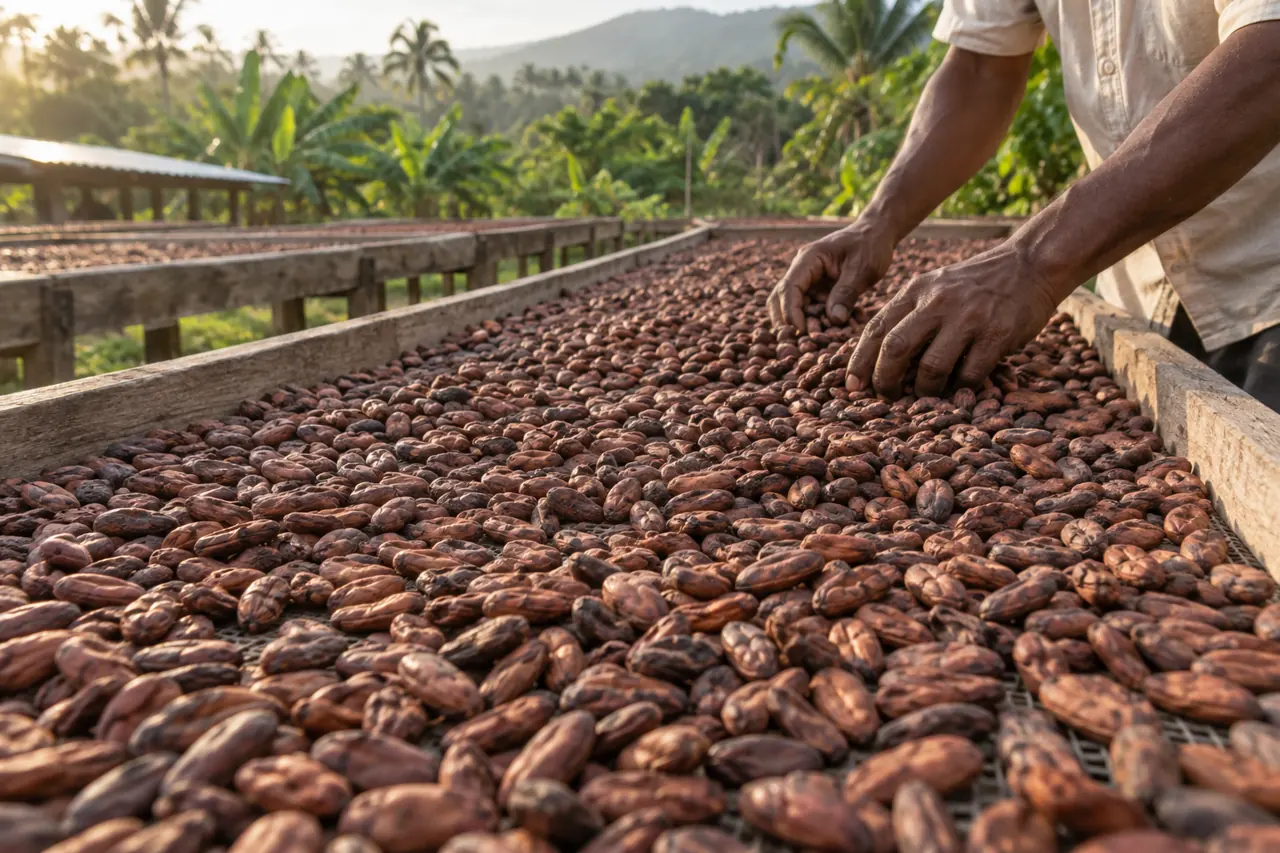
Fermentation starts the development of flavour. Careful drying then reduces moisture and prepares the beans for their next journey.
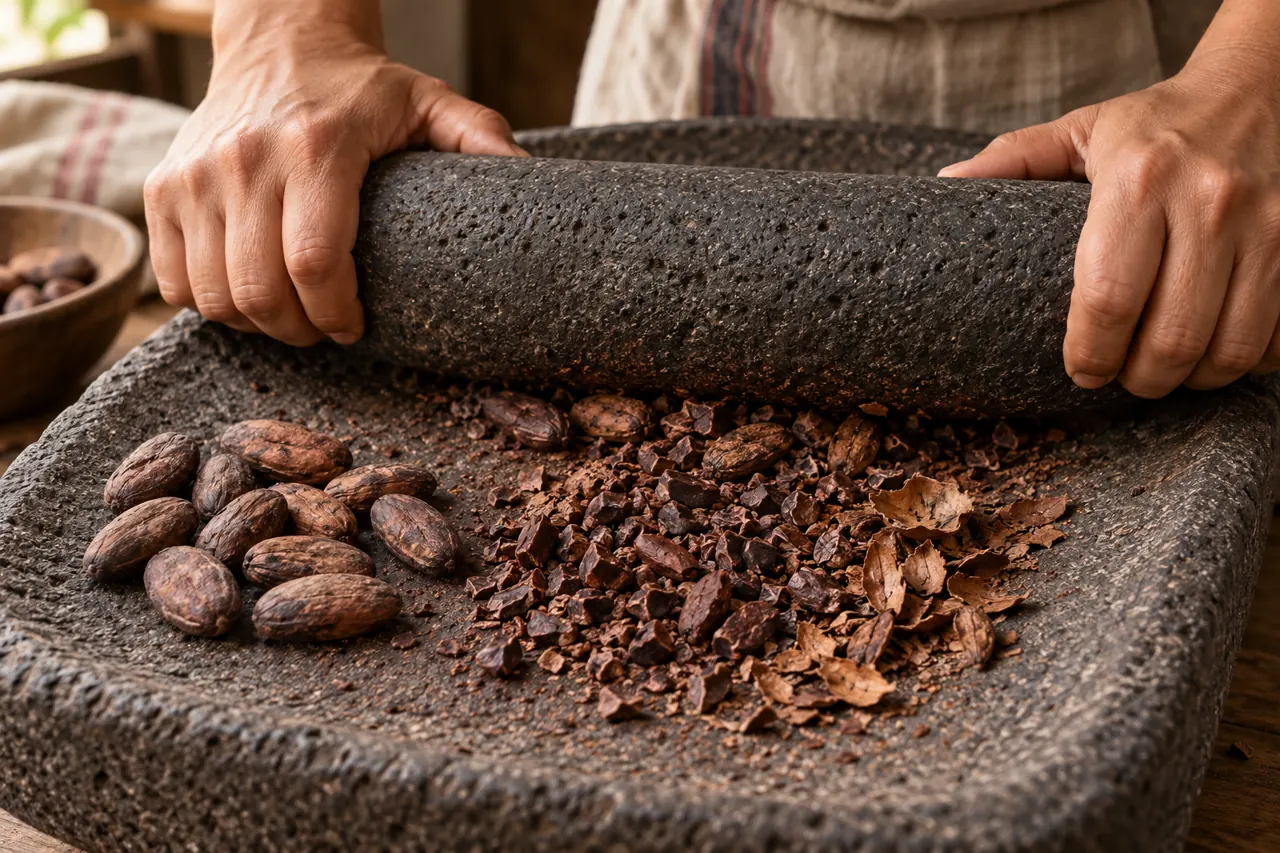
Roasting develops chocolate aromas. The beans are cracked and their shells separated from the nibs.
Grinding releases cocoa butter and turns the roasted nibs into cocoa mass: the base from which dark and milk chocolate are made.
02 / DRYING
After fermentation, the beans are spread in thin layers and turned regularly as they dry. This reduces moisture and prepares them for storage and roasting.
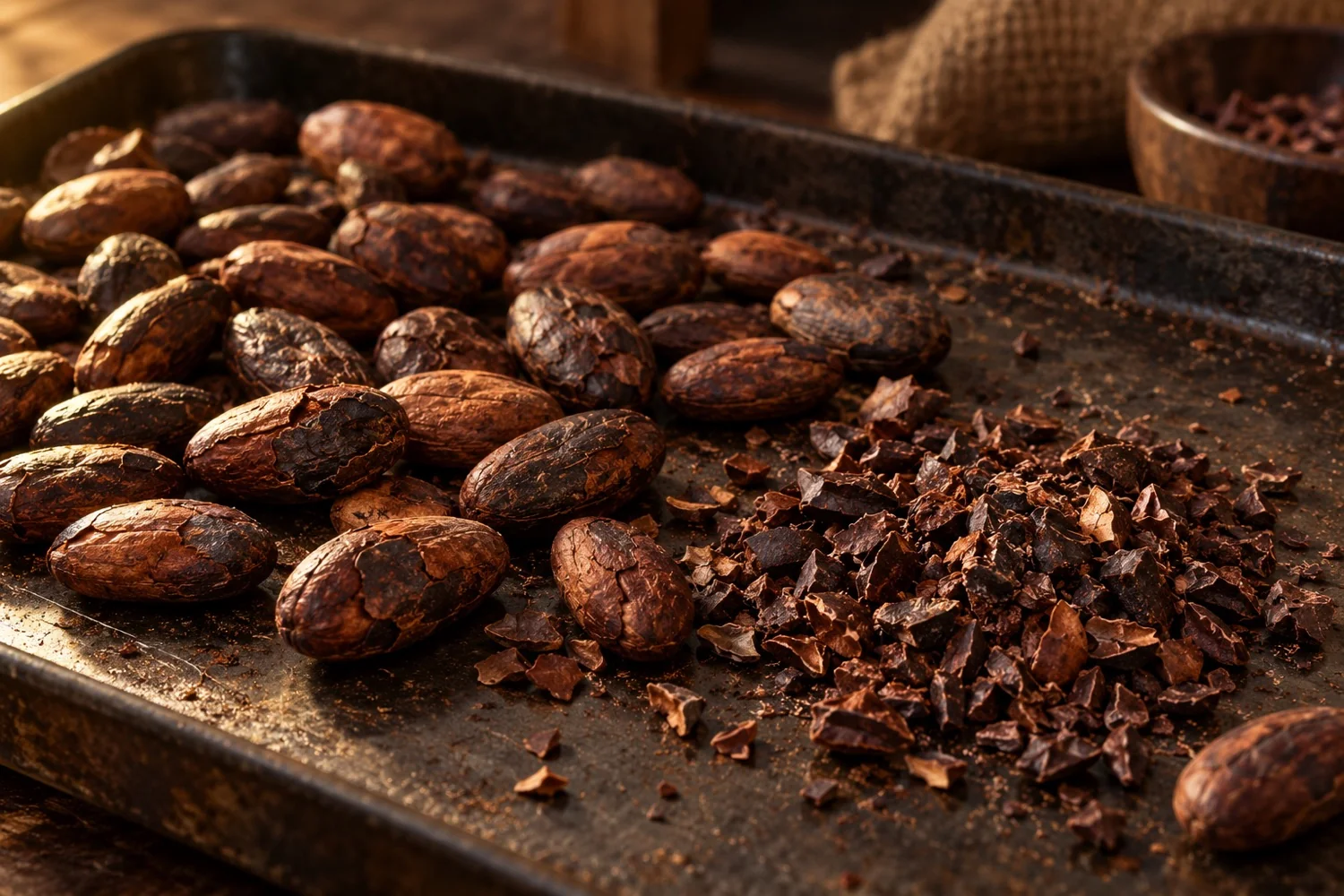
Time, temperature and the character of the beans shape the roast. From here, chocolate makers build the flavours and textures we know and love.
03 / CRACKING & WINNOWING
After roasting, the beans are cracked and their papery shells removed. The cacao nibs inside are then ground into cocoa mass. Here, a stone roller illustrates a traditional hand-crushing method.
THEOBROMA CACAO / 03
The flavour is there. Now comes the texture, the shine and that satisfying snap.
Cocoa mass is blended with sugar and cocoa butter; milk powder is added for milk chocolate. Refining reduces the particles for a smooth mouthfeel.
The mixture is worked and aerated, often with heat. Conching helps round out the flavour and develop the flowing texture of liquid chocolate.
Careful heating and cooling encourage stable cocoa-butter crystals. This gives finished chocolate its shine, clean snap and ability to release from a mould.
The tempered chocolate is poured into moulds and gently vibrated to release trapped air. Once cooled and set, it is removed and wrapped.
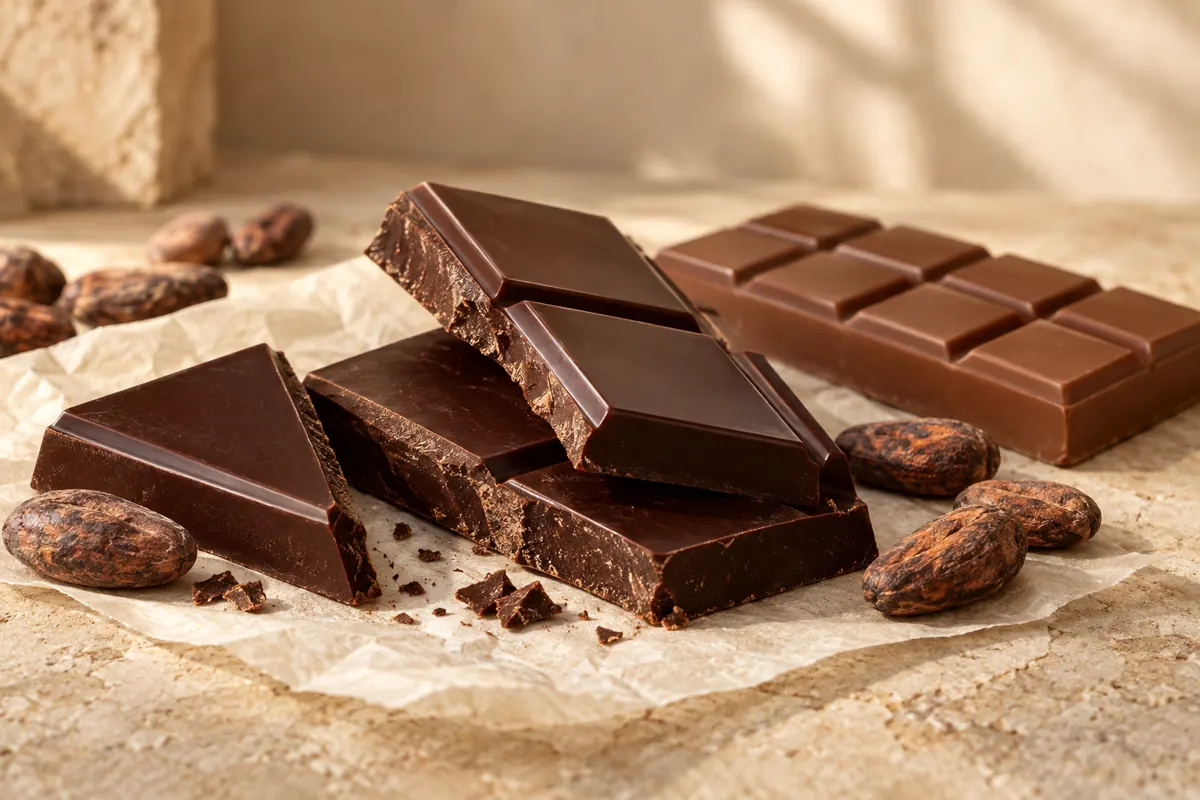
08 / FINISH
From a tropical pod to a finished bar. Each stage helps shape the aroma, smoothness and satisfying bite of the chocolate we enjoy.
CHOCAVELA
A cocoa-and-hazelnut spread follows a different recipe and finishing process. It is made to stay soft and spreadable, rather than set into a snappable bar.
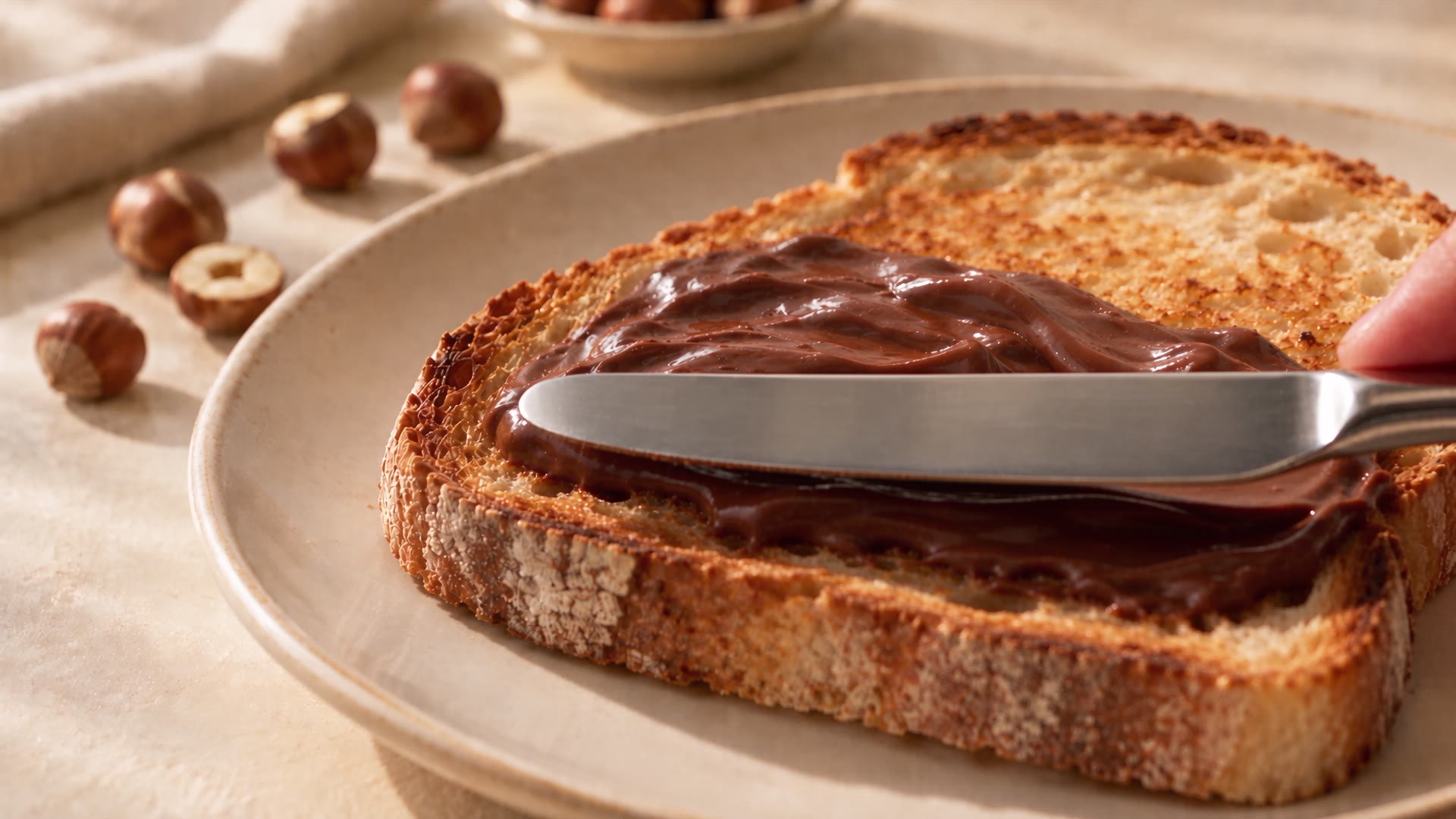
Cocoa ingredients, hazelnut paste, sugar and fats are combined according to the recipe; some spreads also contain milk ingredients.
The mixture is finely refined and blended until the texture is even and spreadable.
The finished spread is filled into jars under controlled conditions, sealed and allowed to stabilise, ready for the table.
A guide to chocolate-making in general; not a description of Chocavela’s specific production process.
CHOCAVELA
Cacao and process imagery: AI-created editorial illustrations, including the hand-coloured engraving-style still life. Archival images include Wikimedia Commons works and supplied Mesoamerican references. The European engraving is a later interpretation, not an eyewitness record of pre-Hispanic life.